
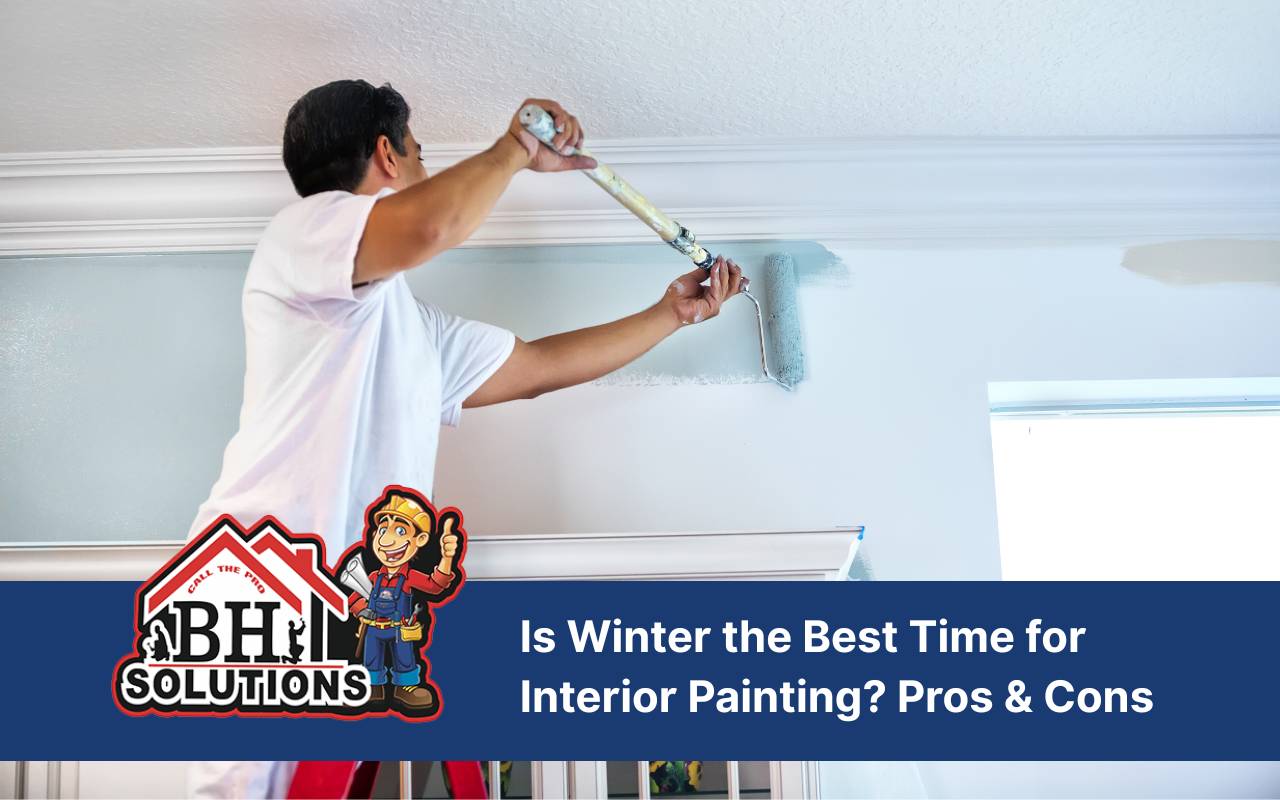
Winter often brings cozy nights indoors, but it can also be the perfect season for interior painting in winter. Cooler temperatures and steady indoor environments help improve paint curing and final results. With fewer outdoor distractions, you can focus on refreshing your home’s look while avoiding summer humidity. Yet, before diving in, it’s wise to understand the advantages and challenges of tackling your project during the colder months.
Optimal Conditions for Paint Curing in Winter
During interior painting in winter, stable indoor temperatures create an ideal environment for paint curing. Central heating maintains consistent warmth, allowing paint to settle smoothly without sudden temperature shifts. This consistency prevents bubbles, drips, or streaks that often occur during hot or humid months.
Interestingly, slower drying time helps paint level out better. Although waiting may test your patience, the result is smoother walls and fewer brush marks. This slower process allows each layer to form a durable bond, improving long-term resistance to cracking or peeling. Balanced curing ensures your walls maintain a clean, even texture throughout the season.
Controlled Indoor Environment Benefits
Painting indoors during winter allows for complete control over your surroundings. Since windows remain closed, the indoor temperature and air movement stay steady. You won’t have to rush through coats due to rising heat or worry about sudden weather changes. Consistent warmth also prevents condensation, supporting better paint adhesion.
Moreover, limited airflow reduces dust landing on wet paint. You can use gentle air circulation to maintain ideal drying time without disturbing the surface. Fewer particles mean smoother finishes and fewer imperfections once the paint cures completely. This makes interior painting in winter both efficient and rewarding.
Utilizing Low-VOC Paints for Winter Projects
When choosing paint for colder months, low-VOC paints are a smart option. They perform well under moderate indoor temperatures and ensure cleaner air while drying. These paints release fewer volatile compounds, making them safer when windows are closed for warmth. Families benefit from healthier air while achieving a fresh, vibrant look indoors.
Modern formulas are designed for even coverage, providing bright results despite slower drying. They allow you to enjoy interior painting in winter without overwhelming odors or ventilation concerns. Additionally, using eco-friendly materials supports sustainability while keeping your home comfortable during the colder days. For expert help on your next painting project, visit BH Solutions USA and explore professional guidance for your home upgrades.
Reduced Strong Odors with Low-VOC Paints
Winter painting often raises concerns about lingering smells. Fortunately, low-VOC paints minimize strong odors that might otherwise remain in enclosed spaces. You can continue your normal routine as your walls dry without discomfort. When completing interior painting in winter, reduced fumes make the process far more pleasant.
These milder formulas clear quickly, letting you reoccupy rooms within days instead of weeks. This benefit is especially useful for bedrooms and living areas. Once the paint curing process finishes, your refreshed space feels welcoming and breathable again.
Importance of Indoor Humidity in Winter Painting
Maintaining proper indoor humidity levels plays a key role in winter projects. Heating systems often dry the air, speeding up drying time too much. When paint dries faster on the surface than underneath, it may trap moisture and cause uneven textures. Using a humidifier or placing water containers nearby helps keep humidity near 45%.
This balance allows even paint curing and prevents cracking. During interior painting in winter, consistent humidity helps each layer bond correctly and ensures lasting quality. Proper moisture control ultimately enhances durability and appearance.
Significance of Surface Preparation in Cold Temperatures
Effective surface prep becomes even more crucial during the cold season. Walls may feel cooler, affecting how paint adheres. Before painting, clean surfaces thoroughly, repair any cracks, and sand rough patches. Dry walls completely before starting to prevent condensation from disrupting adhesion.
Good preparation promotes even coverage and smoother results. Taking time for this step ensures your interior painting in winter remains flawless and resilient for years. Proper groundwork makes every stroke count.
Comparing Finish Quality in Winter vs. Other Seasons
Many homeowners find that winter projects yield higher-quality finishes. Slower paint curing and steady temperatures allow paint to level naturally. By contrast, summer’s heat can cause bubbling or uneven surfaces. Though winter work might extend timelines, the final texture is often worth the wait.
Additionally, reduced dust and humidity support cleaner results. Each layer adheres more evenly, producing a consistent tone and professional finish. When comparing outcomes, interior painting in winter often stands out as the smoother and more refined option.
Considering Energy Savings during Winter Painting
- Keeping windows closed retains warmth while painting.
- Lower thermostat settings reduce energy waste.
- Proper sealing limits drafts and maintains consistent temperature.
- Efficient heat use promotes even drying without excess cost.
As your paint cures, these small adjustments create noticeable savings on heating bills. Energy-efficient practices complement your project, making interior painting in winter both economical and sustainable.
Frequently Asked Questions
Can I really paint indoors during winter?
Yes. With proper temperature control and humidity management, winter painting is both effective and safe for your home.
Do I need to open windows for ventilation?
Not necessarily. Using low-VOC paints allows you to maintain clean air indoors while keeping warmth inside.
What’s the best humidity level for painting?
Try to maintain around 40–50% indoor humidity for optimal drying time and smoother finishes during cold weather.
How can I prevent uneven drying?
Ensure steady temperature and airflow. Also, avoid rushing coats to let paint curing happen gradually and evenly.
Why is surface prep important in winter?
Proper surface prep ensures strong adhesion and prevents condensation issues that could ruin the paint’s texture.
Evaluating Overall Suitability of Winter Painting
- Check your home’s insulation and ventilation before starting.
- Use low-VOC paints for better air quality.
- Maintain steady warmth and humidity throughout the process.
- Allow extra drying time between coats.
When you manage these details, interior painting in winter becomes both practical and beneficial. While the process may take slightly longer, the results are durable and visually appealing. Balanced conditions ensure every wall looks its best by the time spring arrives.
Making an Informed Decision
- Evaluate your schedule and room use before beginning.
- Adjust humidity and temperature for ideal drying time.
- Use eco-friendly materials to protect your indoor air.
- Enjoy the calm and focus that winter projects provide.
Ultimately, interior painting in winter offers clear benefits—steady conditions, energy efficiency, and high-quality results. By preparing surfaces properly and using the right materials, you’ll achieve a flawless, lasting finish. This season might just be the perfect moment to transform your home’s interior.